What we stock, and what it is for.
Which material suits your part?
FDM melts a thermoplastic through a nozzle and builds the part layer by layer. The filament decides how strong the part is, how much heat it takes, whether it survives sunlight, and how much it moves on the plate.
Not sure which fits? That is usually a two-minute conversation — ask us.
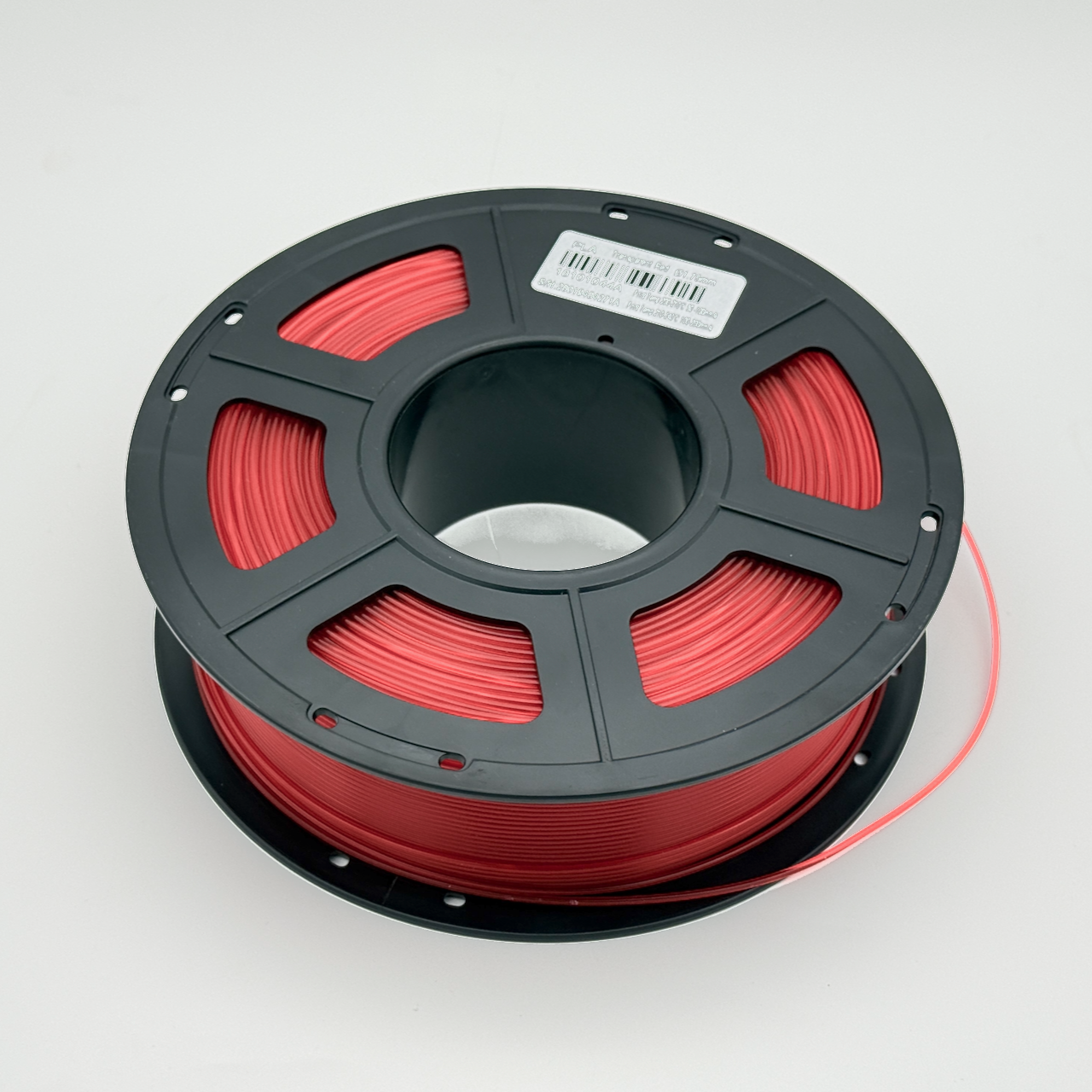
PLA
Polylactic acid
The easy one. Made from organic material rather than petroleum, and the filament most parts start in.
Good at
- Easiest material to print
- Holds fine detail
- Barely warps
- Food safe
Watch for
- Softens in a hot car
- Poor UV resistance — not for outdoors
- More brittle than most
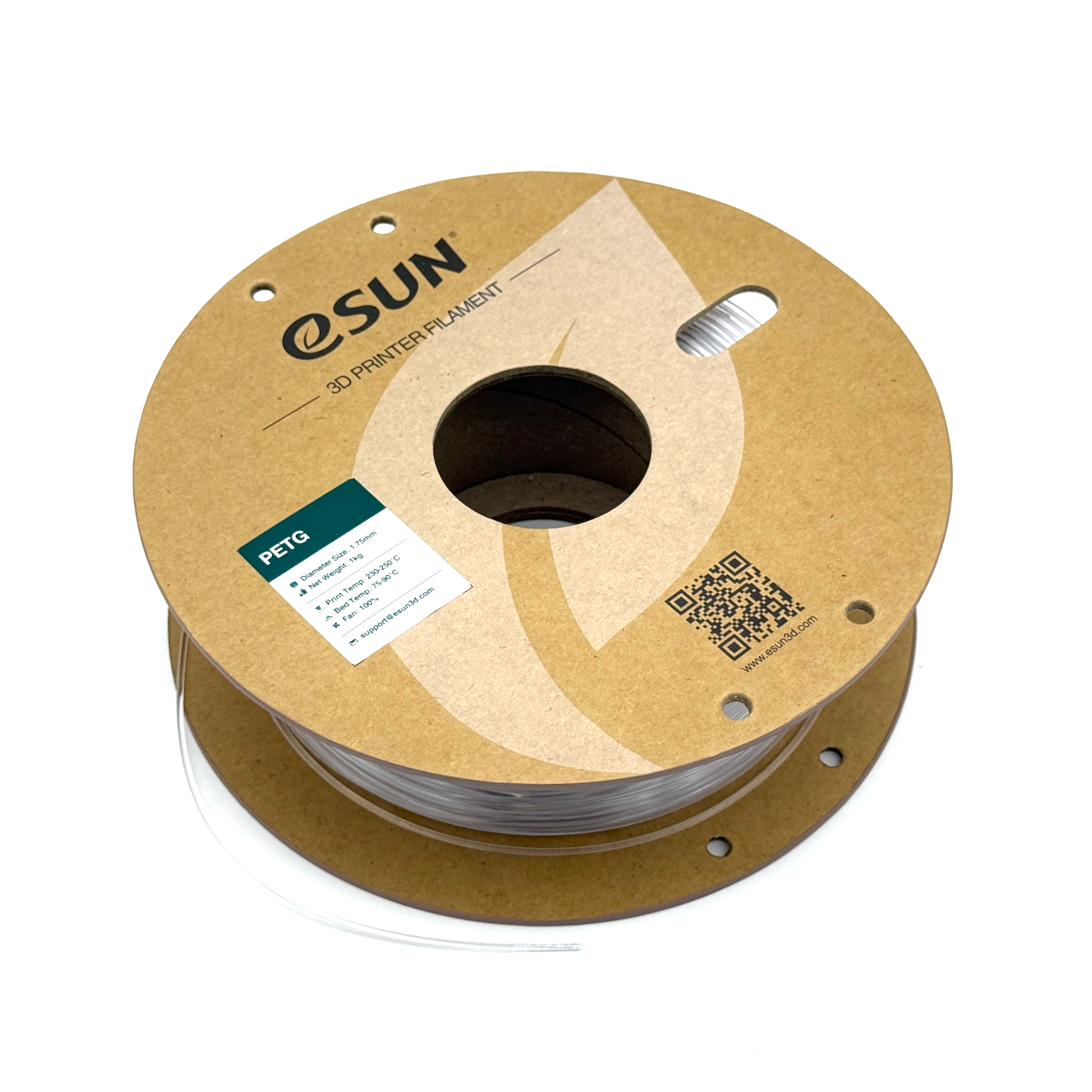
PETG
Polyethylene terephthalate glycol-modified
The middle ground. Tougher than PLA, far easier than ABS, and fine outdoors.
Good at
- UV resistant
- Tough and slightly flexible
- Barely warps
- Food safe
Watch for
- Strings across gaps
- Bonds poorly to itself
- Scratches more easily than ABS
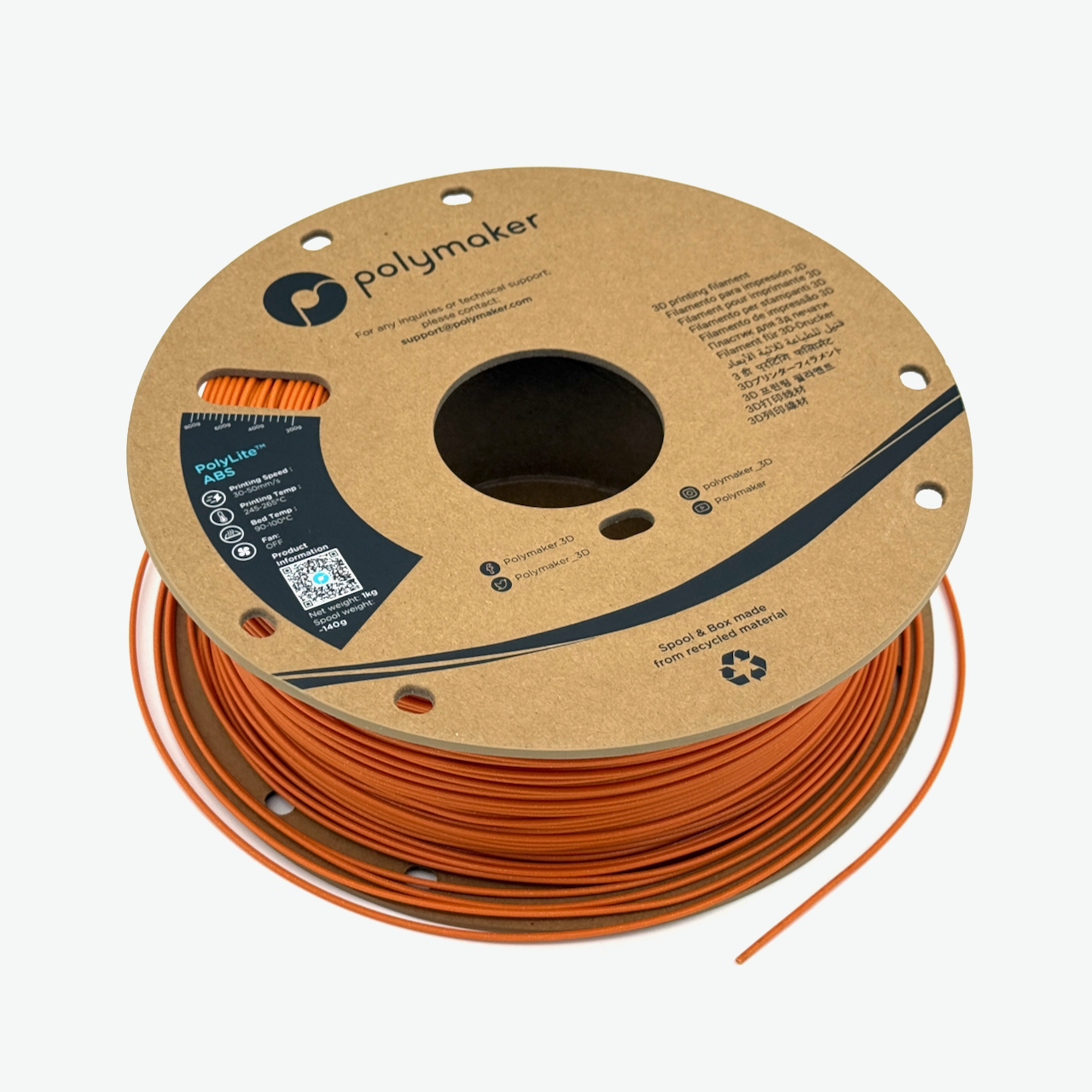
ABS
Acrylonitrile butadiene styrene
The workshop standard. Tough, heat tolerant, and it sands, glues and paints better than anything else here.
Good at
- Impact resistant
- Good heat resistance
- Sands, bonds and vapour-smooths well
Watch for
- Warps without an enclosure
- Shrinks as it cools
- Needs ventilation
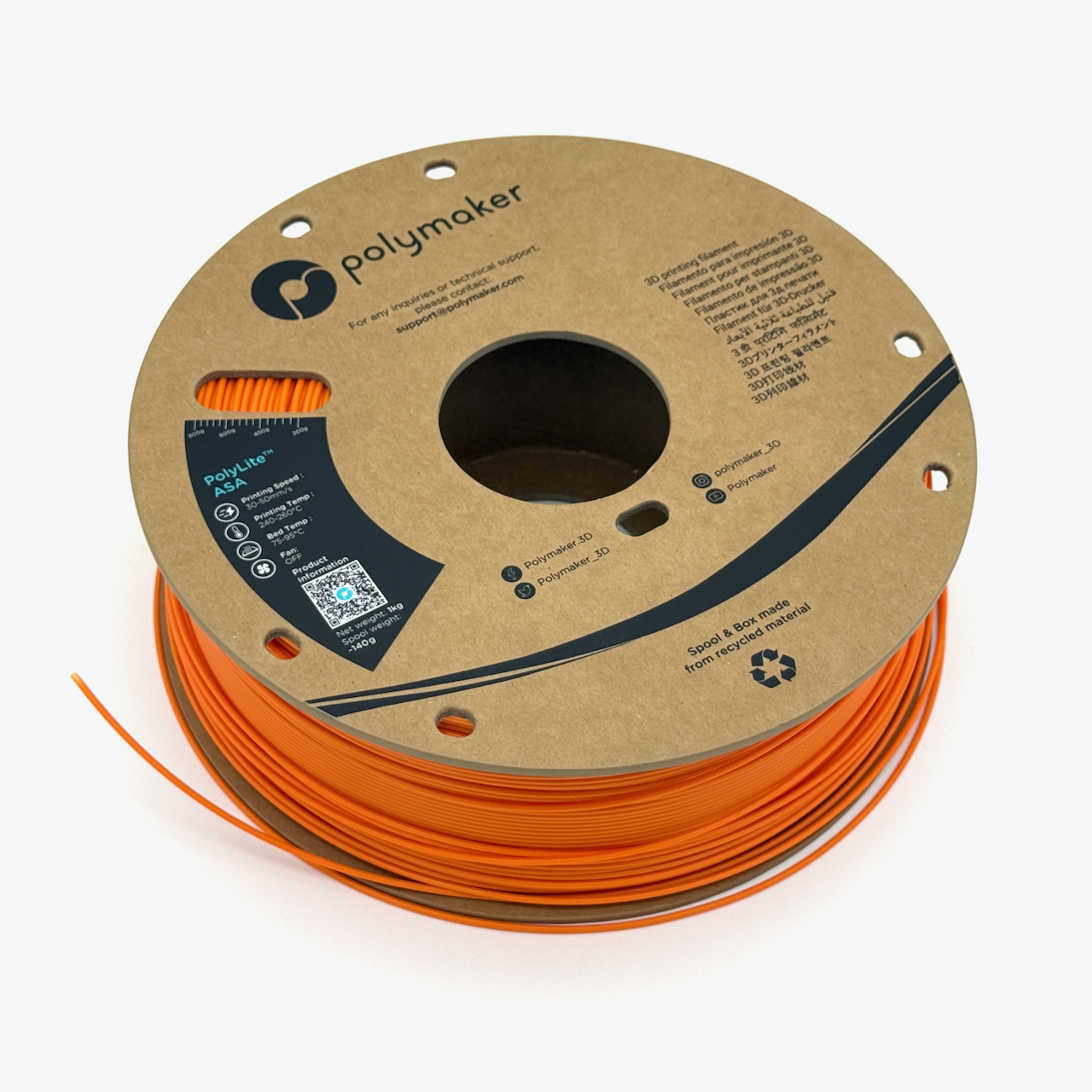
ASA
Acrylonitrile styrene acrylate
ABS with the UV weakness engineered out. The default for anything living outdoors.
Good at
- Excellent UV and weather resistance
- Holds its colour in sunlight
- As tough as ABS
Watch for
- Warps like ABS
- Needs ventilation
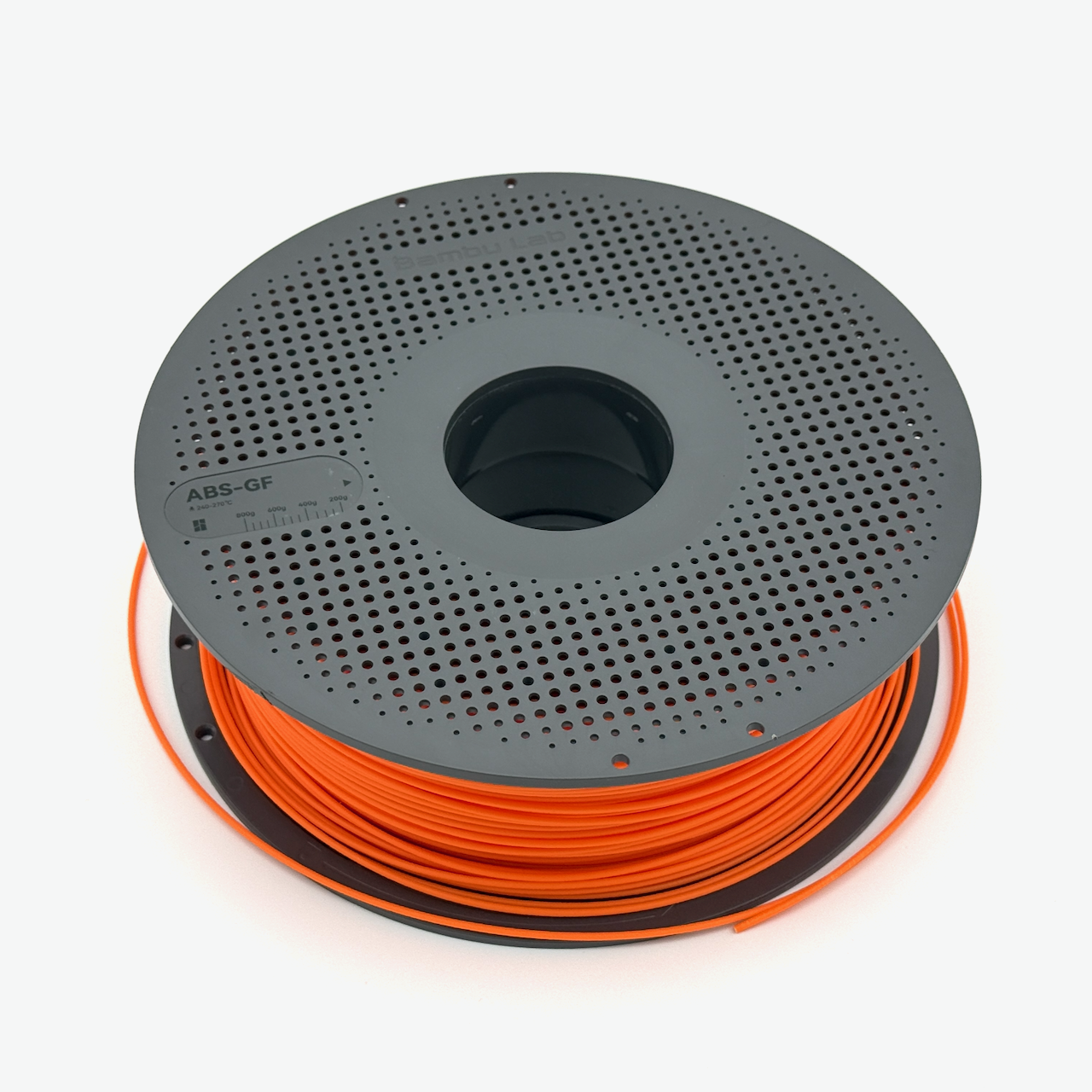
ABS-GF
Glass fibre filled ABS
ABS stiffened with chopped glass fibre. For parts that must hold their shape under load.
Good at
- Much stiffer than plain ABS
- Better dimensional stability
- Warps less than ABS
Watch for
- More brittle
- Abrasive — needs a hardened nozzle
- Matte, slightly rough finish
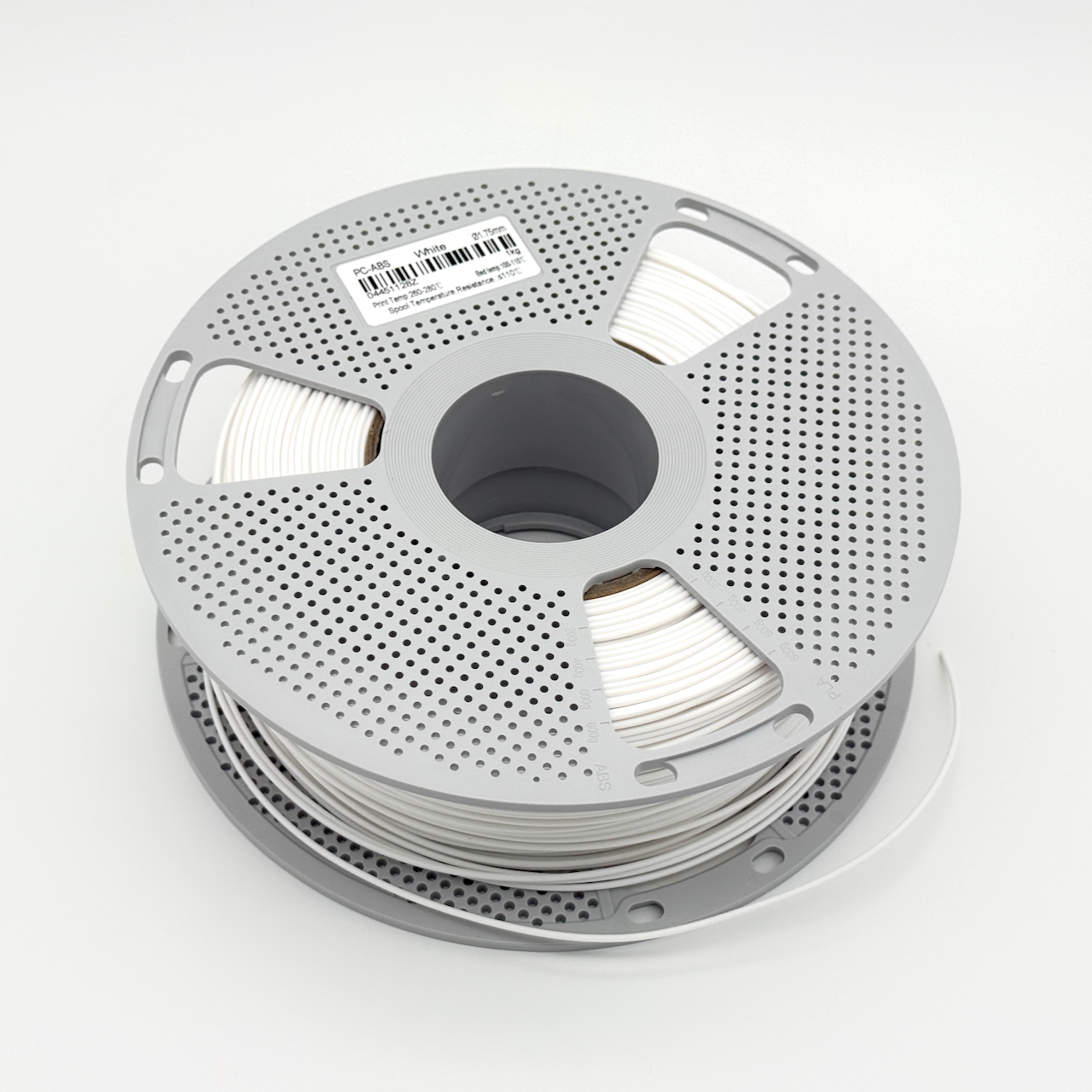
PC-ABS
Polycarbonate ABS blend
Most of polycarbonate’s strength and heat tolerance, with ABS’s manners on the printer.
Good at
- Very high impact strength
- Handles more heat than ABS
- Easier to print than pure PC
Watch for
- Absorbs moisture — keep it dry
- Warps
- Needs a hot end that reaches 275 °C
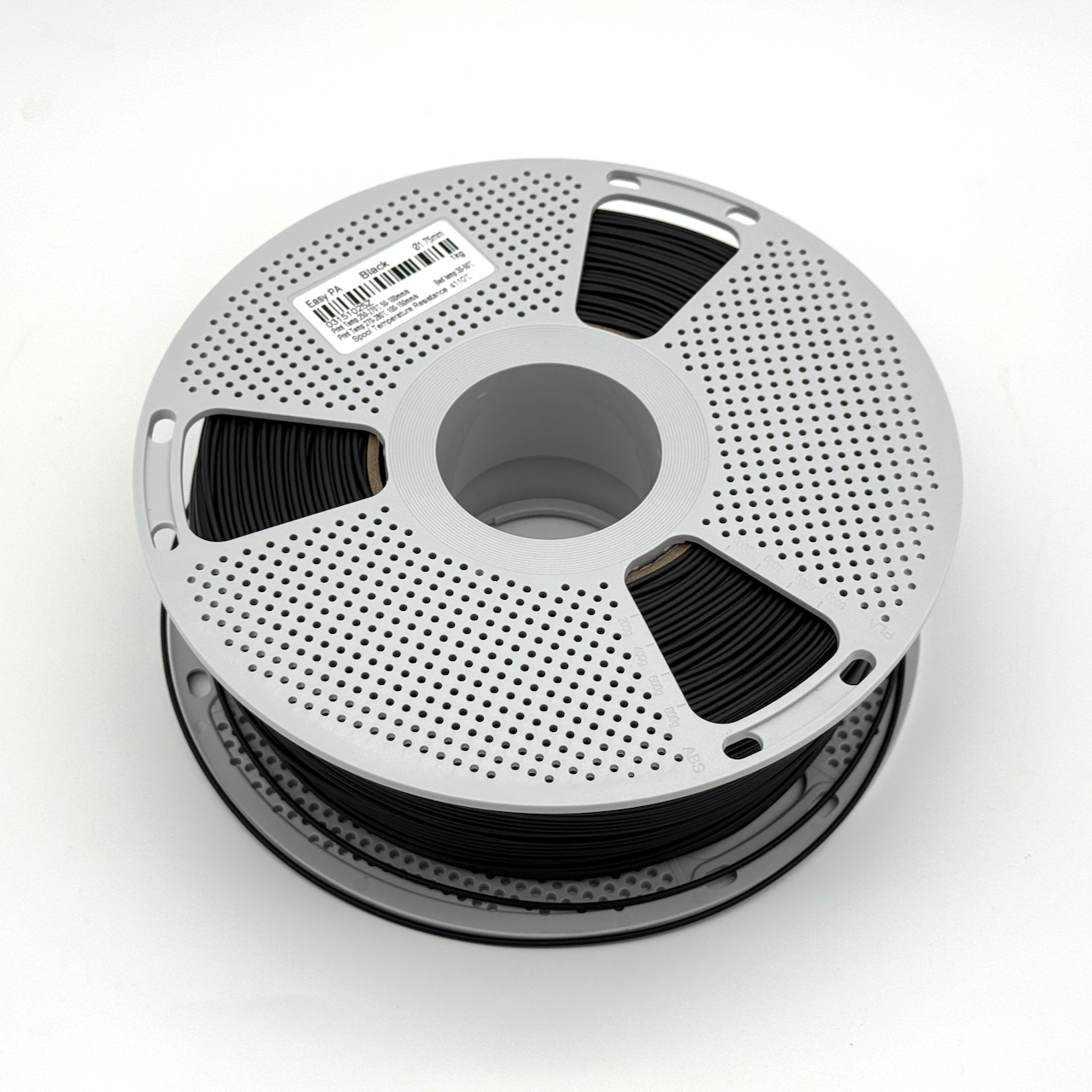
PA Nylon
Polyamide, easy-print grade
Tough, semi-flexible and wear resistant. The right answer for gears, hinges and anything that rubs.
Good at
- Excellent wear resistance
- Semi-flexible rather than brittle
- High impact strength
Watch for
- Absorbs moisture readily — dry before use
- Warps without an enclosure
- Expands slightly in humid air
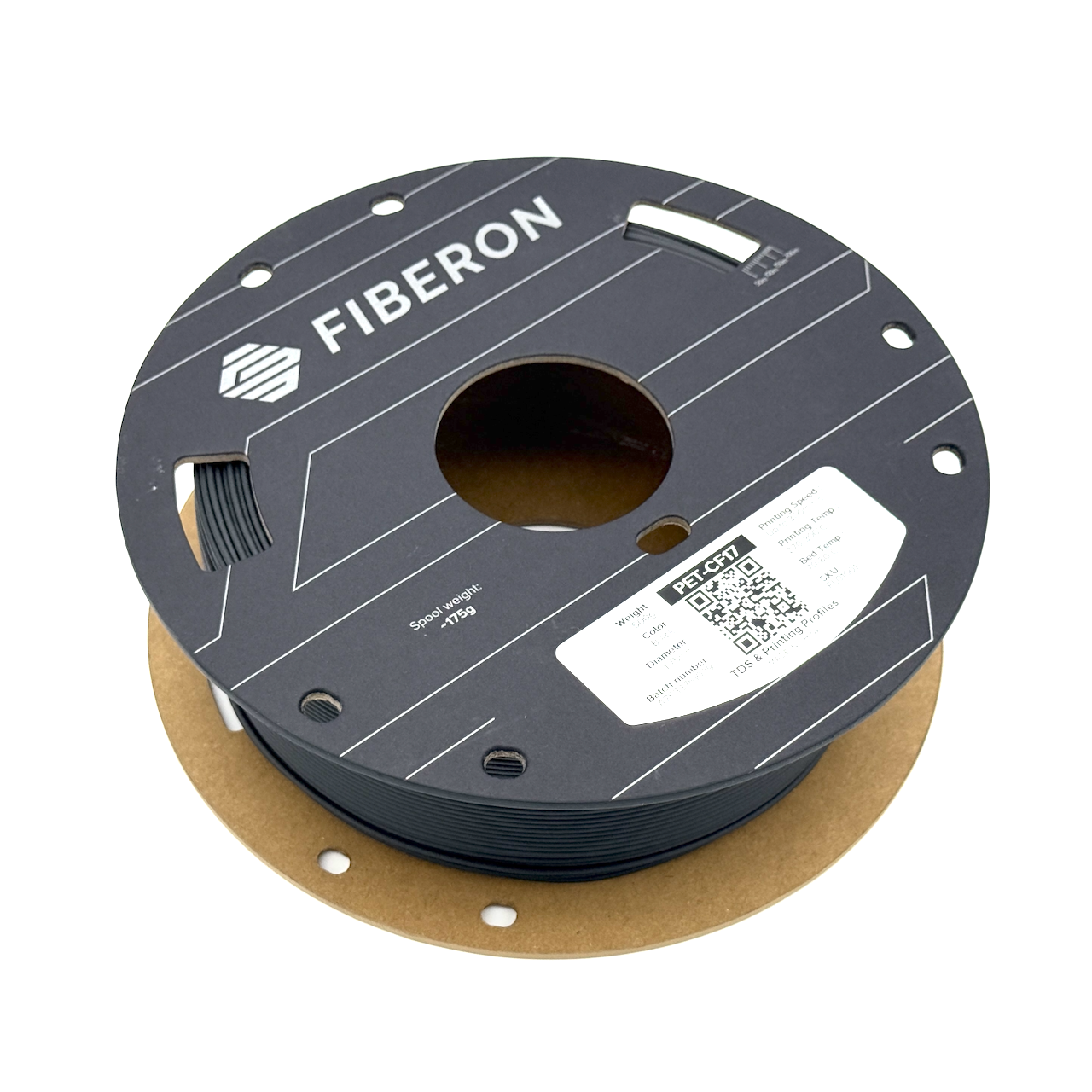
PET-CF17
Carbon fibre filled PET, 17%
PET stiffened with carbon fibre. Dimensionally stable, matte black, and light for its rigidity.
Good at
- Very stiff
- Excellent dimensional stability
- Barely warps
- Matte finish hides layer lines
Watch for
- Brittle under sharp impact
- Abrasive — hardened nozzle required
- Layer bonding weaker than plain PETG
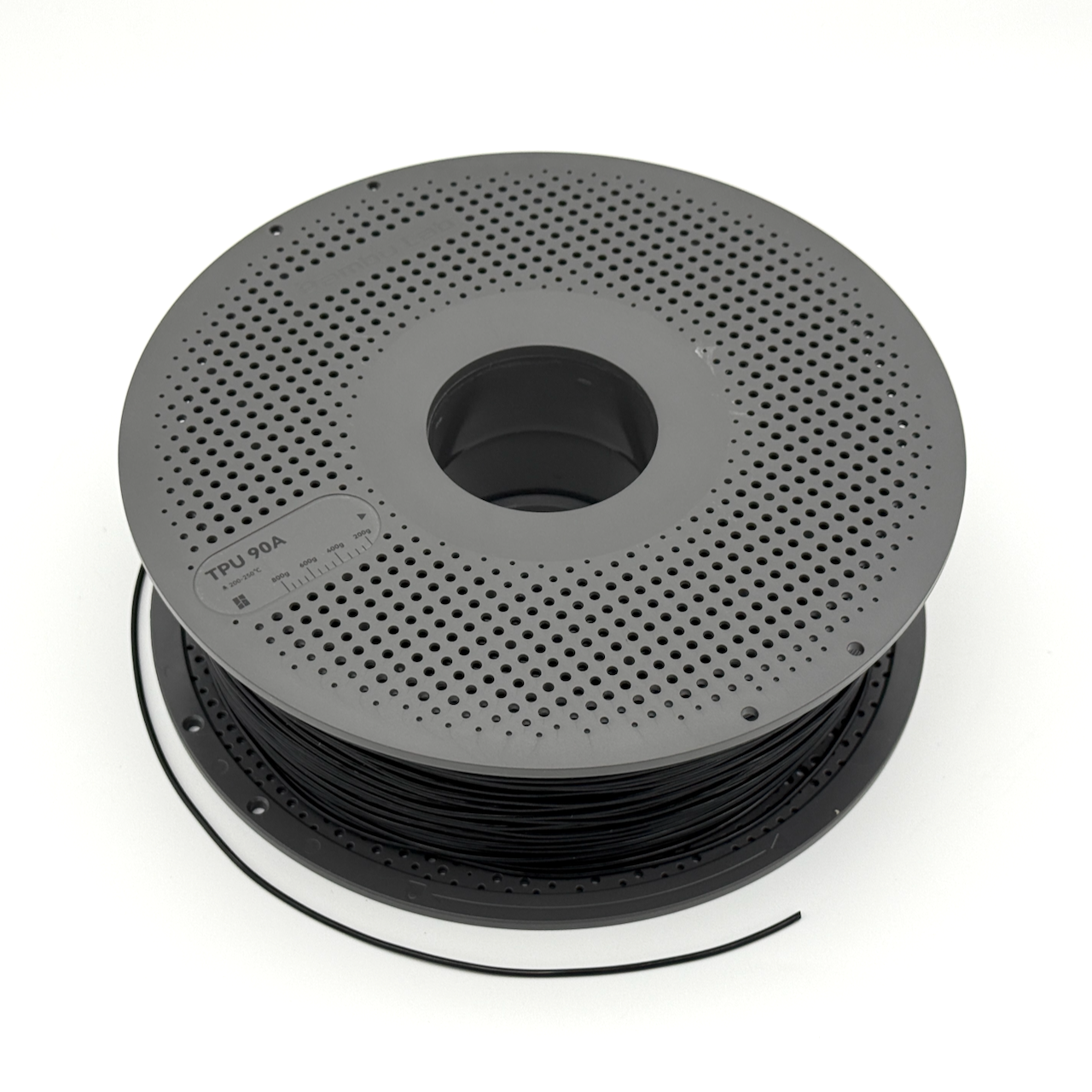
TPU 90A
Thermoplastic polyurethane
The flexible one. Rubber-like parts that bend, stretch and spring back.
Good at
- Genuinely flexible
- High abrasion resistance
- Does not warp
- Excellent layer adhesion
Watch for
- Slow to print
- Absorbs moisture — keep it dry
- Hard to print on a Bowden setup