Resin or FDM?
Our modern studio uses the latest 3D printers to produce just about any object you can imagine, in a variety of colors and materials. Which print method is right for you?
The two methods

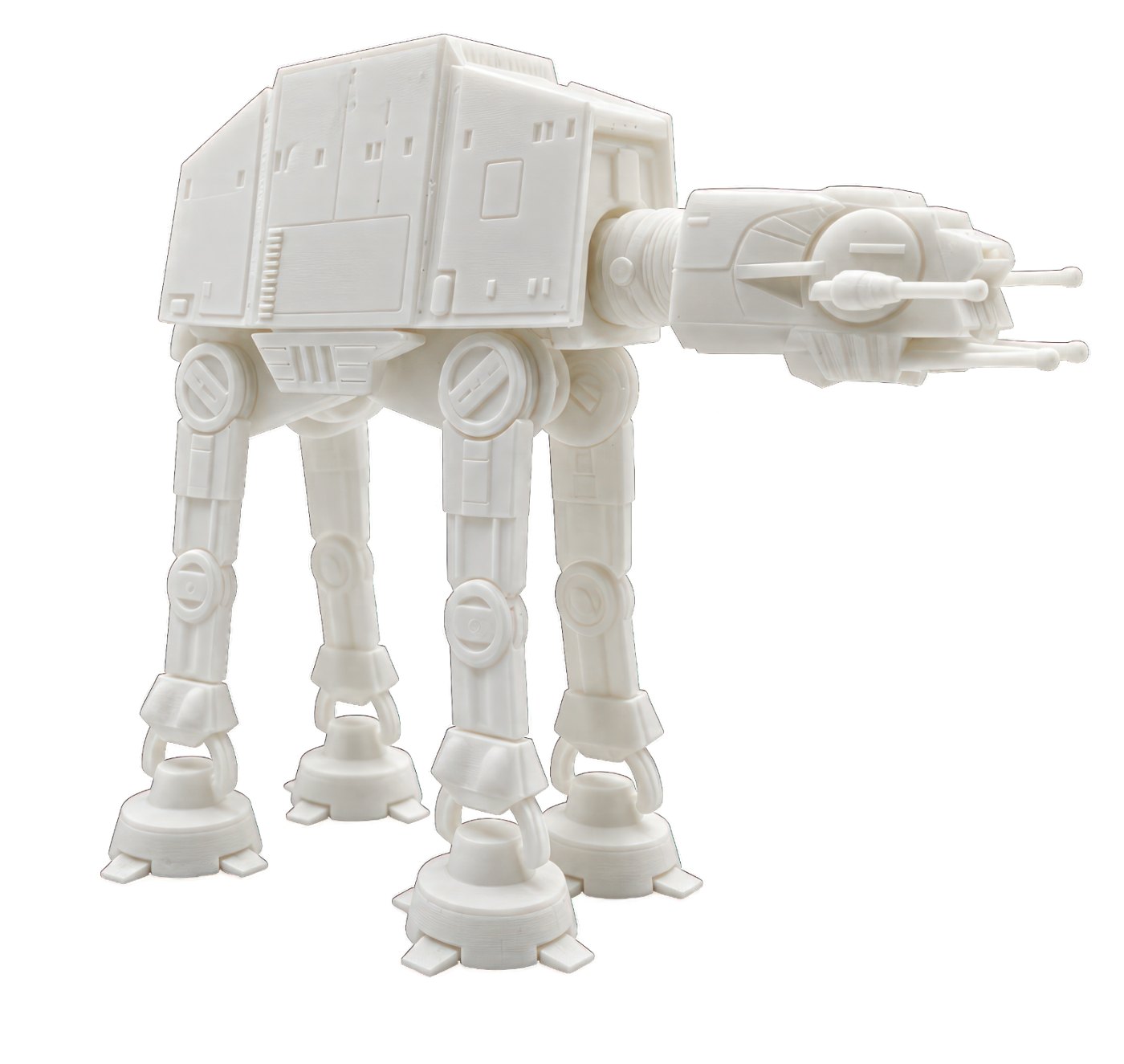
Resin — UV light cured liquid
Fine detail with near-invisible layer lines and a wide range of materials. Its drawback is fragility — parts can break when dropped — so it suits figurines, casting patterns and digital sculptures rather than parts under load.
The model is sliced into micron-thick layers and each is cured in turn as the build plate rises out of the tray. Every model on the plate cures at once, so throughput is far better than FDM.
FDM — fused deposition modeling
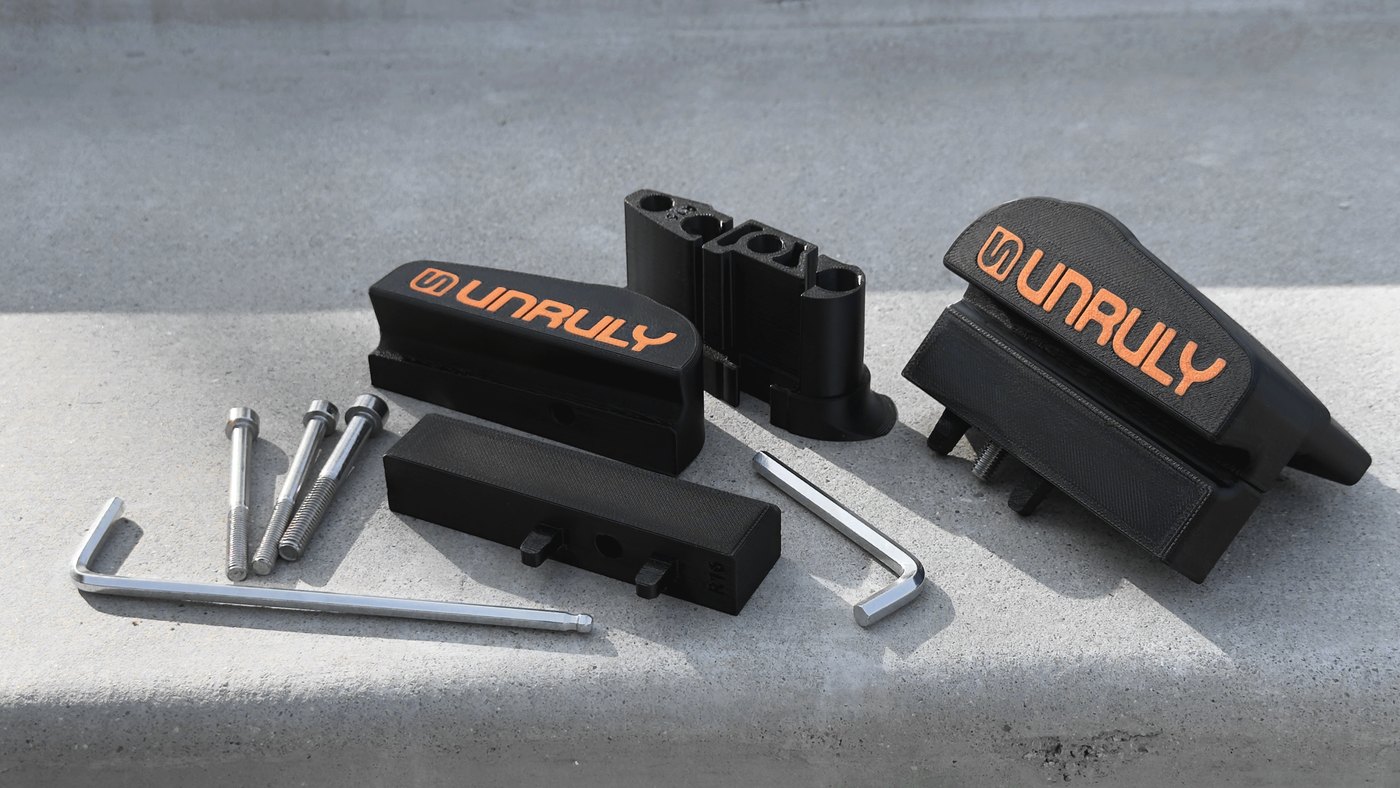
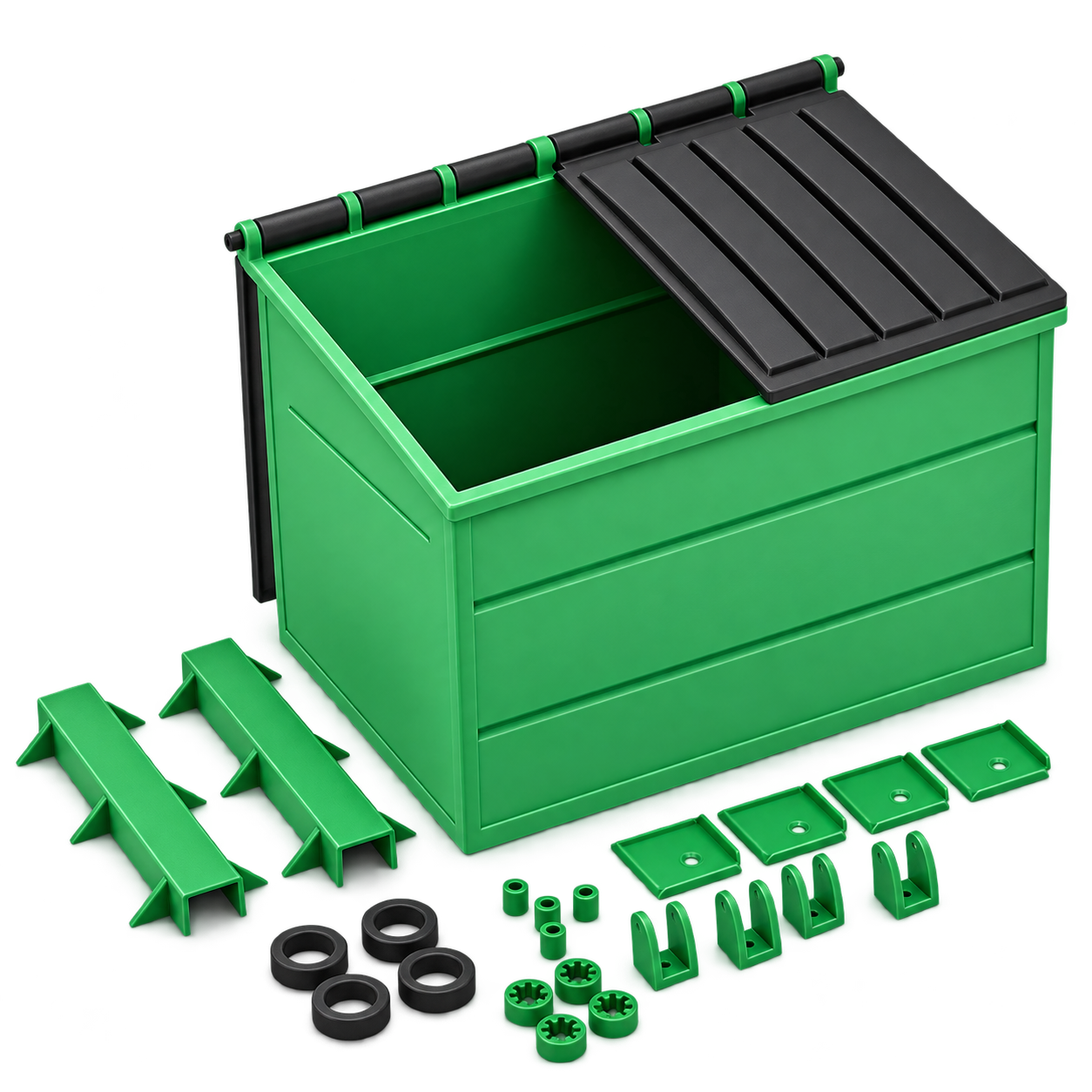
For functional parts where fine detail is not critical — knobs, handles, gears. Parts can be sanded and painted for a smooth finish.
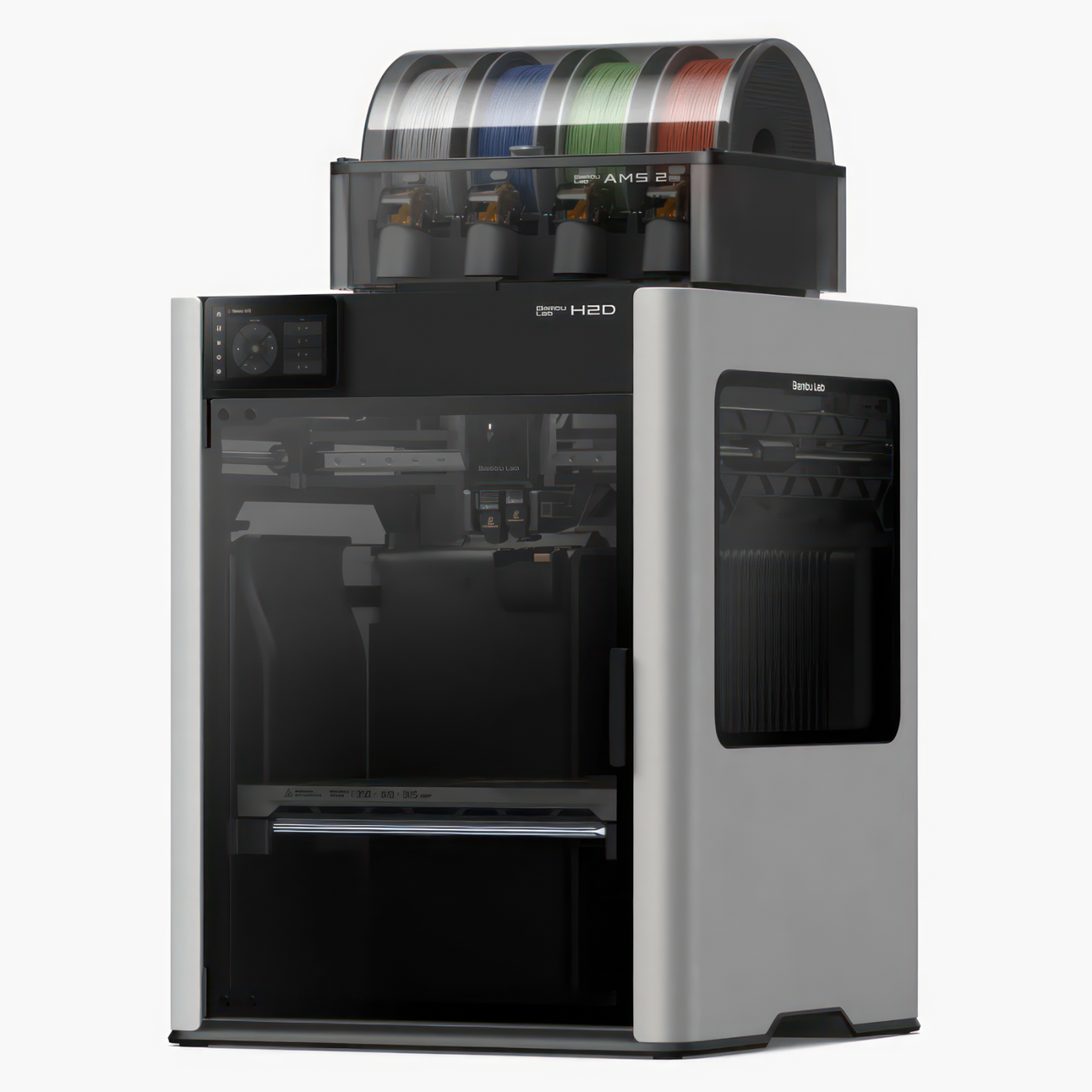
The printer extrudes melted material in a continuous line, building each layer before moving to the next. One model at a time, so slower than resin.
What FDM lacks in detail it makes up for in strength: PLA and ABS parts are tough, clean up well, and take real abuse.